Looking to sell your business and wondering about the tax implications? The Sale Of Assets Form 8594 is a crucial document in this process. It helps both buyers and sellers allocate the purchase price among different assets for tax purposes.
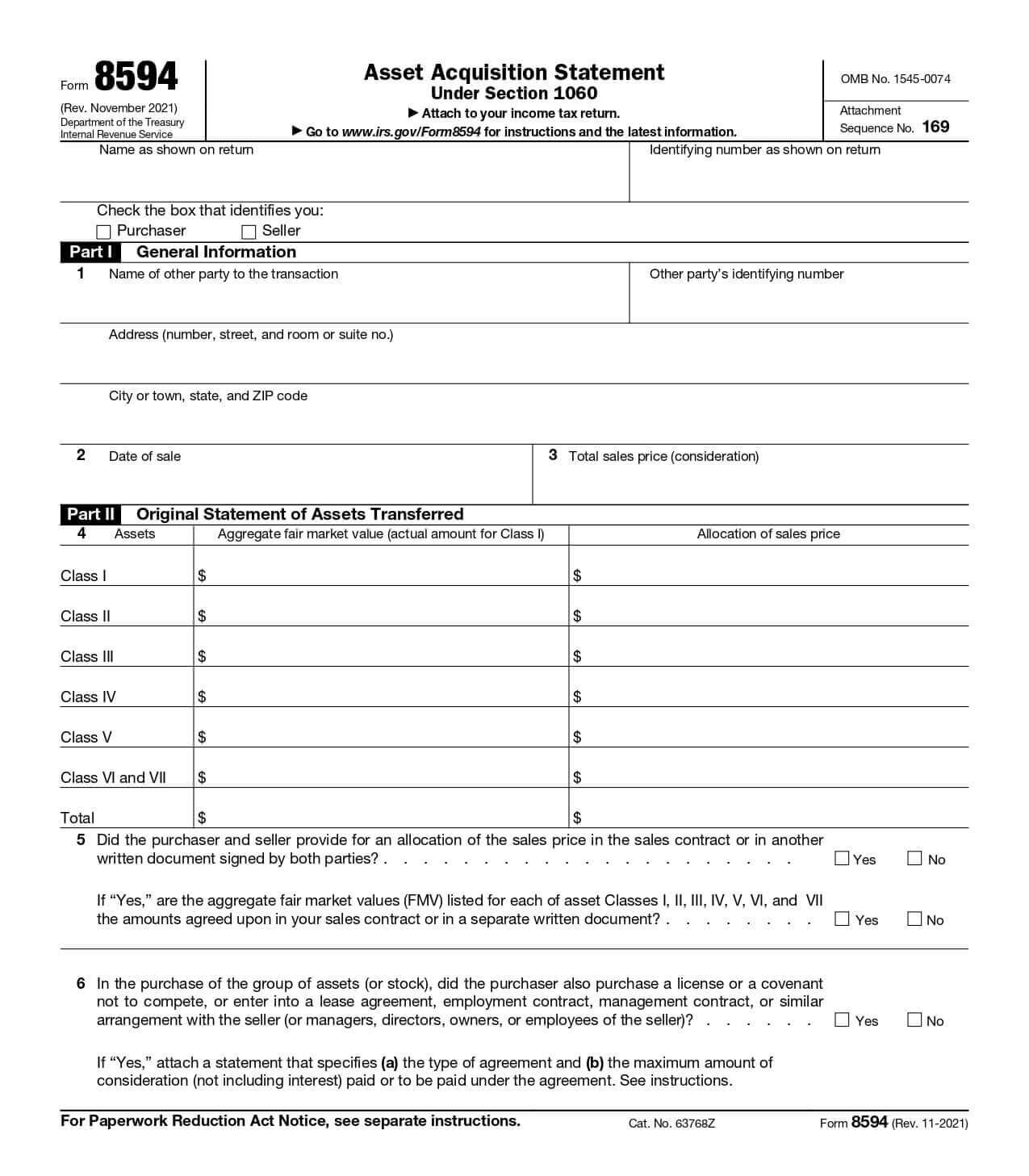
When selling a business, it’s essential to properly complete Form 8594 to ensure accurate reporting to the IRS. This form is used to determine the tax treatment of the sale and allocate the purchase price among various assets, such as equipment, inventory, and goodwill.
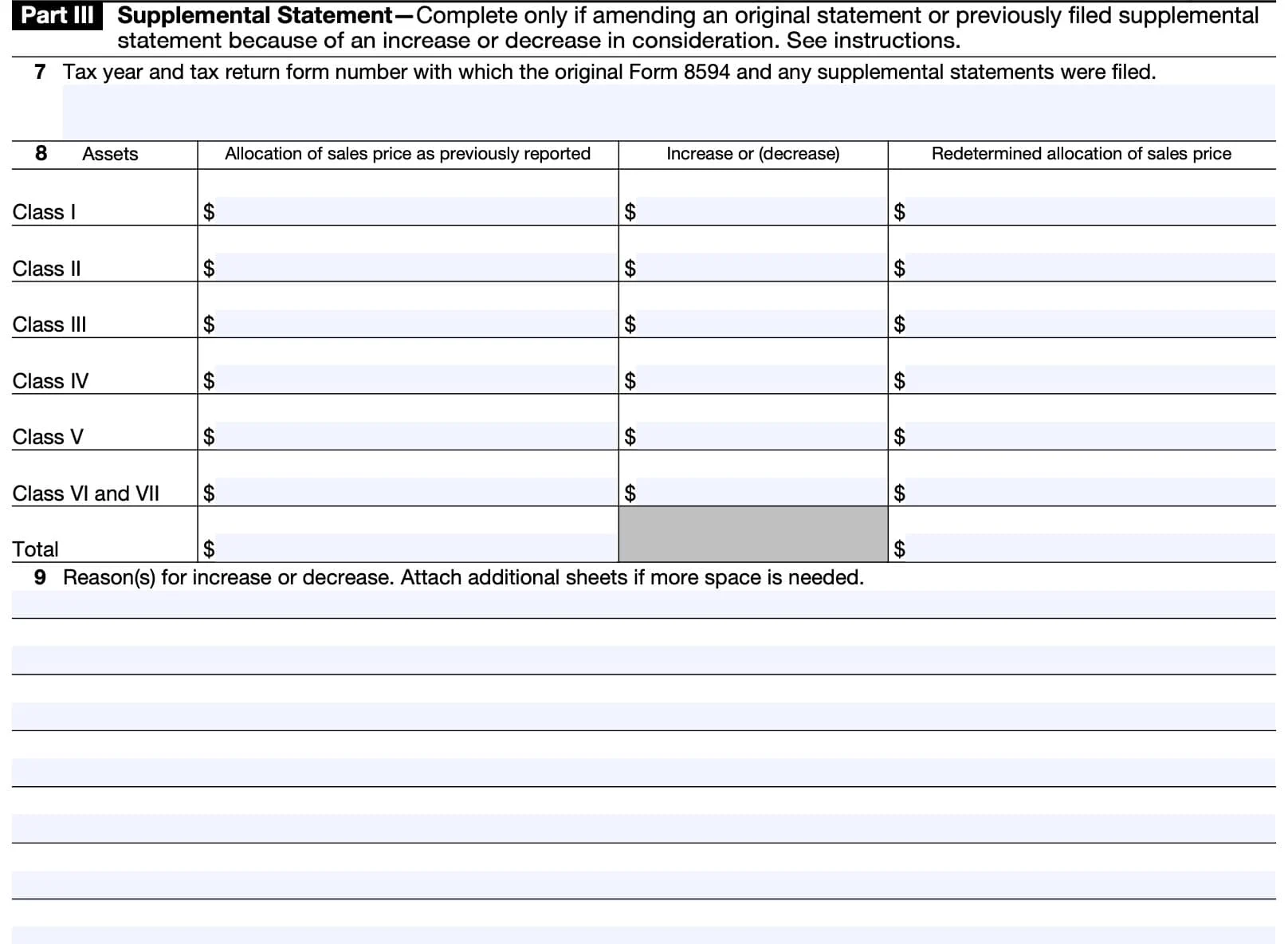
Sale Of Assets Form 8594
Sale Of Assets Form 8594: What You Need To Know
One key aspect of Form 8594 is the classification of assets as either Class I, II, III, or IV. This classification determines how the purchase price is allocated and affects the tax consequences for both the buyer and seller. It’s important to carefully review and understand these classifications when completing the form.
Another important consideration when filling out Form 8594 is the election to treat the sale as an asset sale or a stock sale. This decision can have significant tax implications for both parties, so it’s crucial to consult with a tax professional to determine the best approach for your specific situation.
Overall, Form 8594 is a critical document in the sale of a business that helps ensure proper tax reporting and allocation of the purchase price among different assets. By understanding the requirements and implications of this form, you can navigate the sale process more effectively and minimize potential tax liabilities.
So, if you’re planning to sell your business, make sure to familiarize yourself with Form 8594 and seek advice from a tax expert to ensure a smooth and tax-efficient transaction.
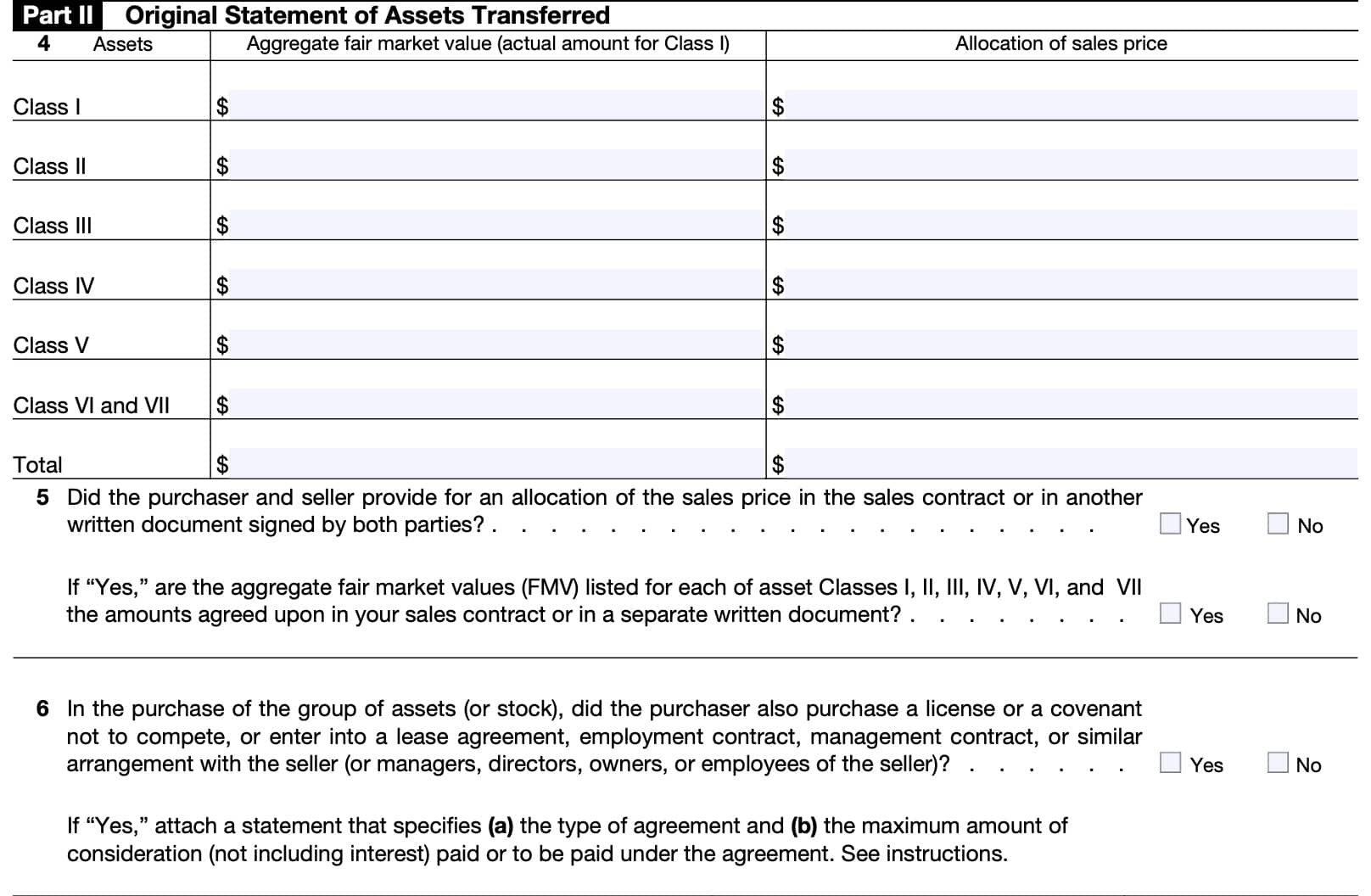
IRS Form 8594 Instructions Asset Acquisition Statement
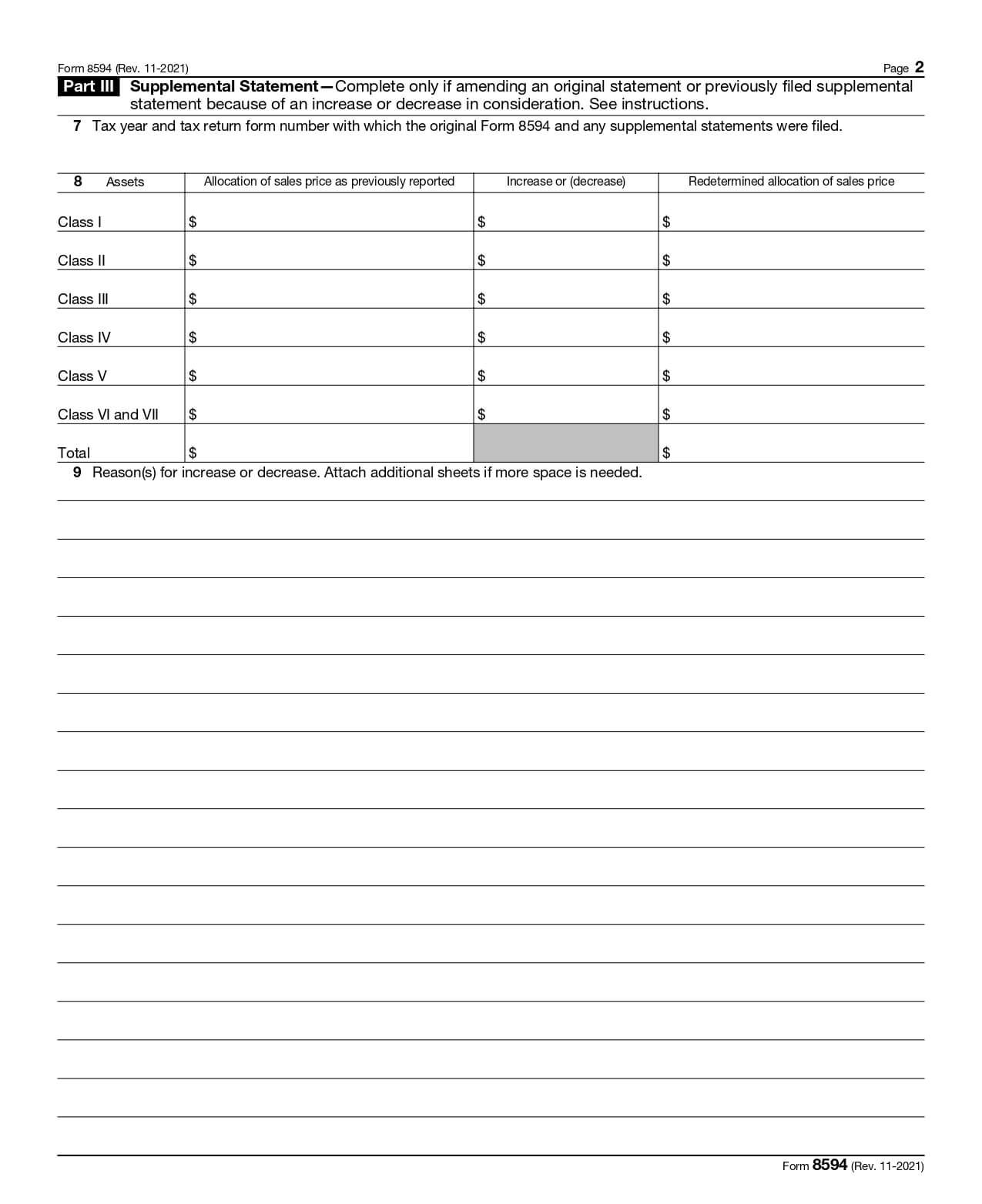
Form 8594 Everything You Need To Know Eqvista
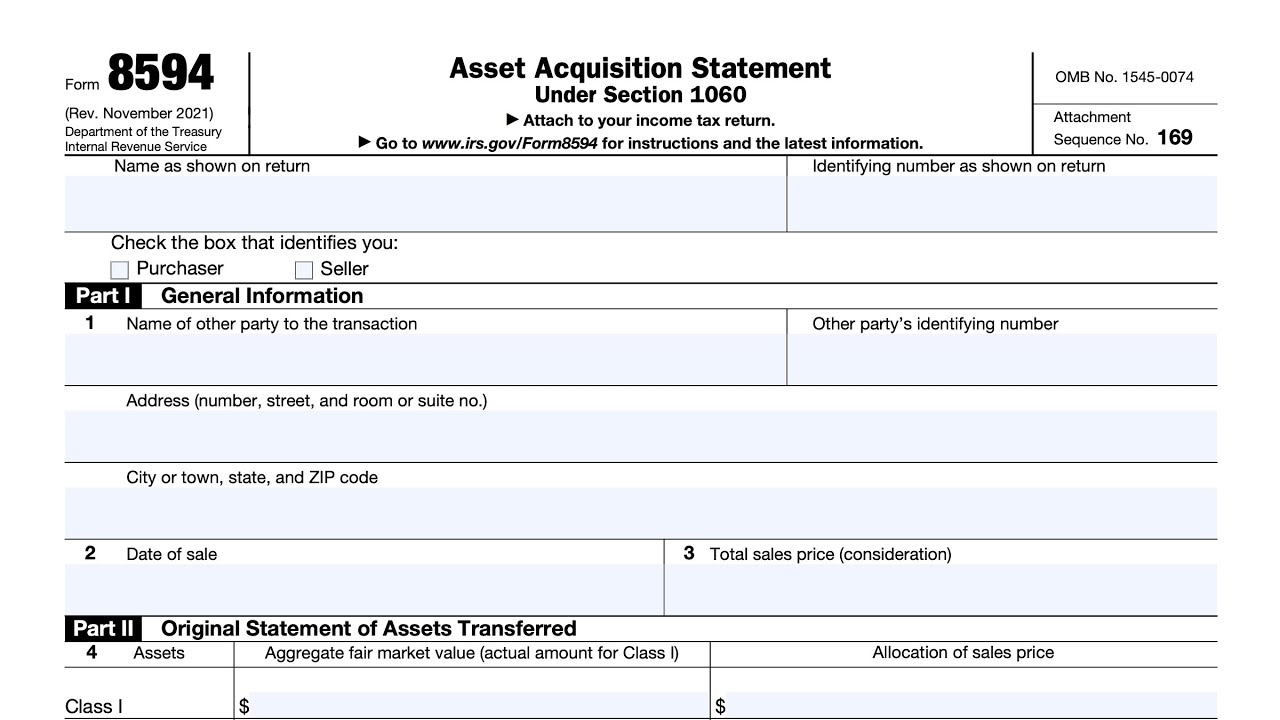
IRS Form 8594 Walkthrough Asset Acquisition Statement Under IRC Section 1060
Form 8594 Everything You Need To Know Eqvista
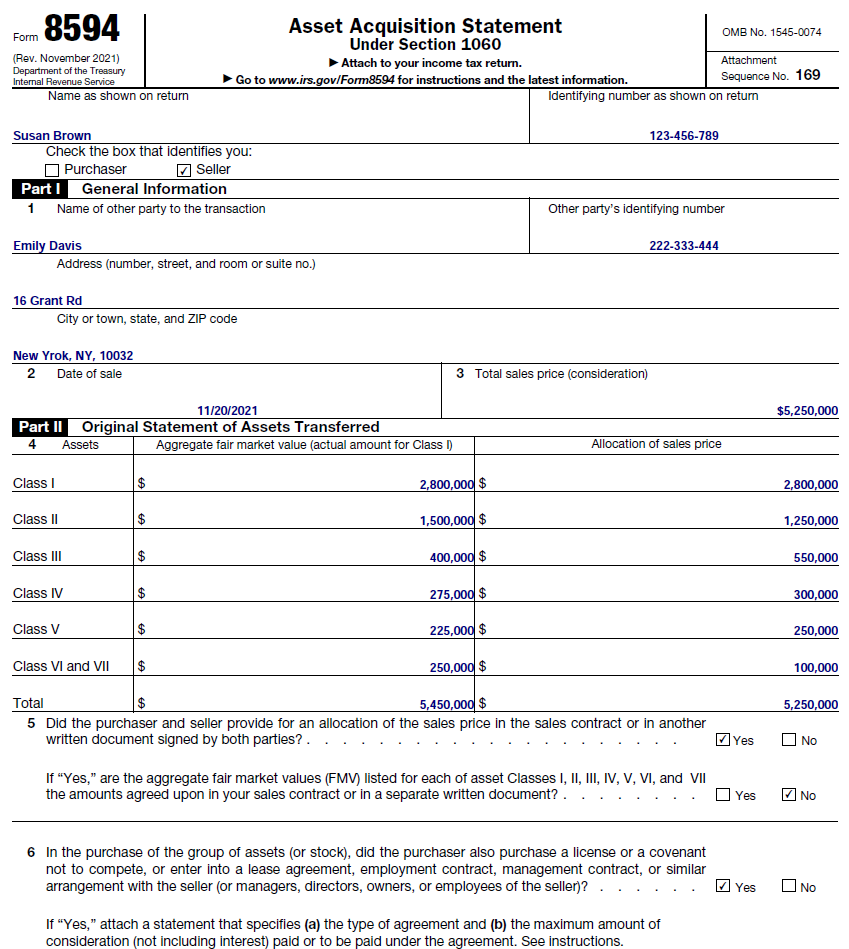
File Form 8594 Eqvista