If you’re a taxpayer who receives income from partnerships, S corporations, estates, or trusts, you may be familiar with IRS Form K-1. This form provides detailed information about your share of income, deductions, and credits.
Understanding the various codes on IRS Form K-1 can help you navigate your tax obligations more effectively. These codes indicate specific types of income, deductions, or other items that need to be reported on your tax return.
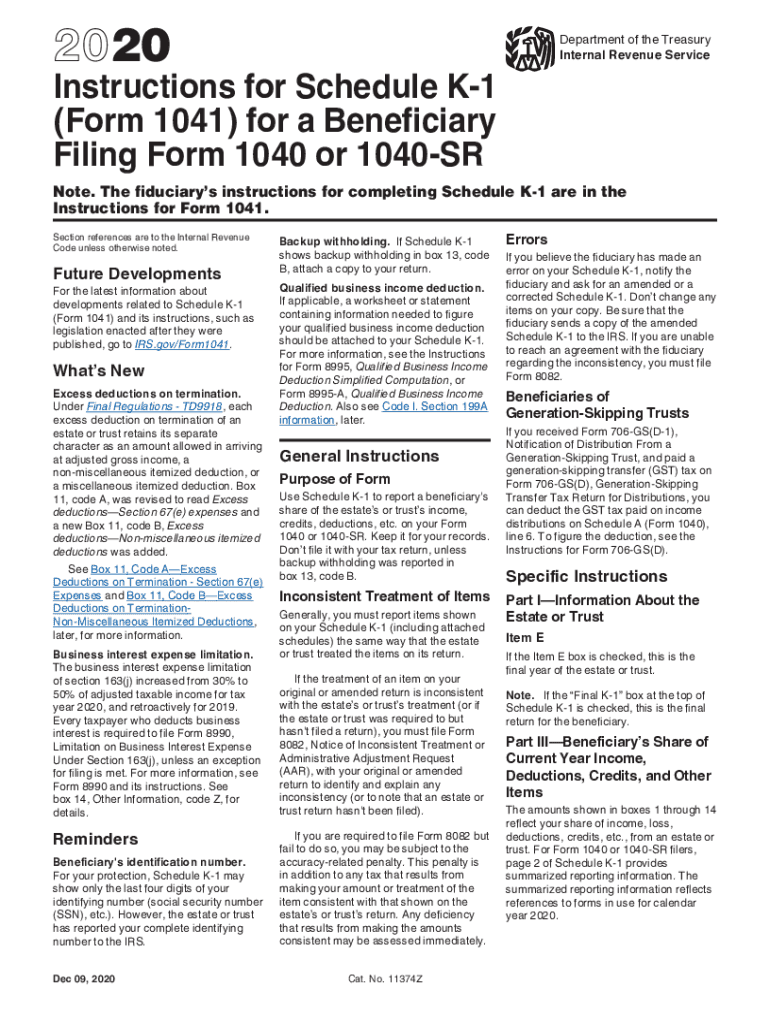
Irs Form K-1 Codes
Decoding IRS Form K-1 Codes
One common code you may encounter is Code A, which represents ordinary business income. Code B typically stands for rental real estate income, while Code C signifies royalty income. Each code corresponds to a specific type of income or deduction.
It’s essential to review each code carefully and ensure that you report the corresponding amounts accurately on your tax return. Incorrectly reporting income or deductions can lead to tax discrepancies and potential penalties.
If you have questions about any of the codes on your IRS Form K-1, don’t hesitate to reach out to a tax professional for guidance. They can help clarify any confusion and ensure that you fulfill your tax obligations accurately and efficiently.
By familiarizing yourself with IRS Form K-1 codes and seeking assistance when needed, you can navigate the tax filing process with confidence. Remember, accurate reporting is key to avoiding potential issues with the IRS and maintaining compliance with tax laws.
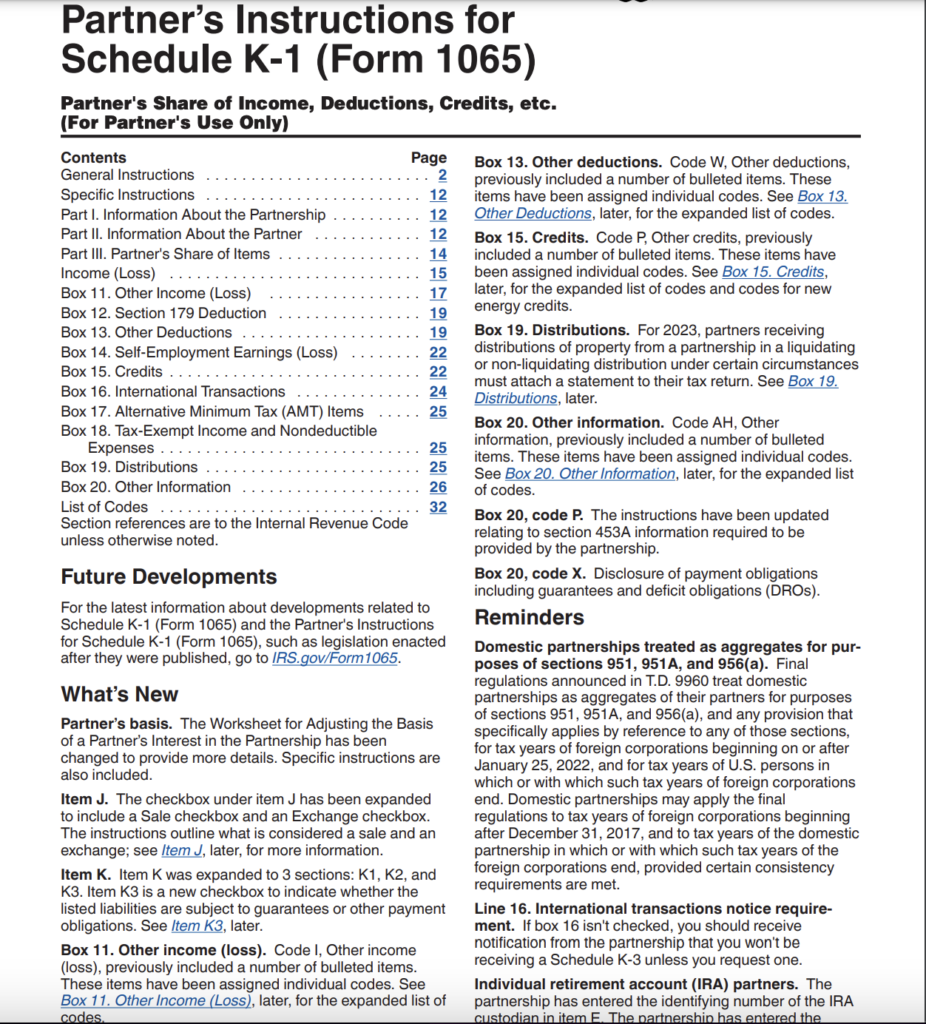
What Is IRS Form 1065 Neubase
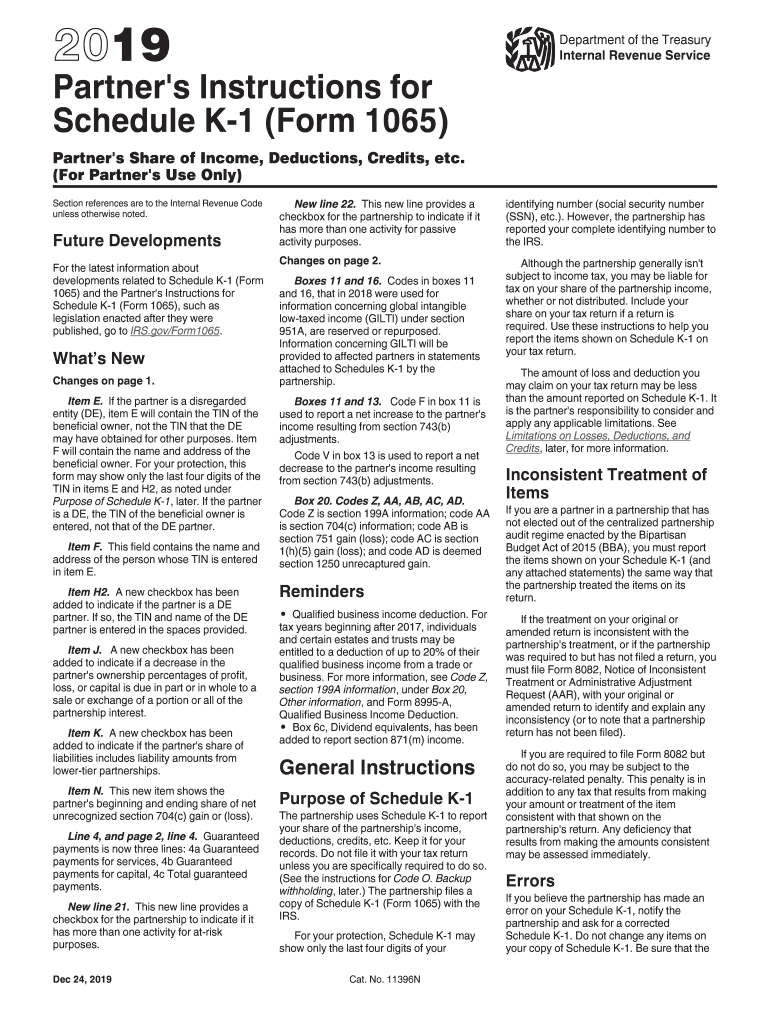
Partnership Tax Form K 1 Fill Out amp Sign Online DocHub
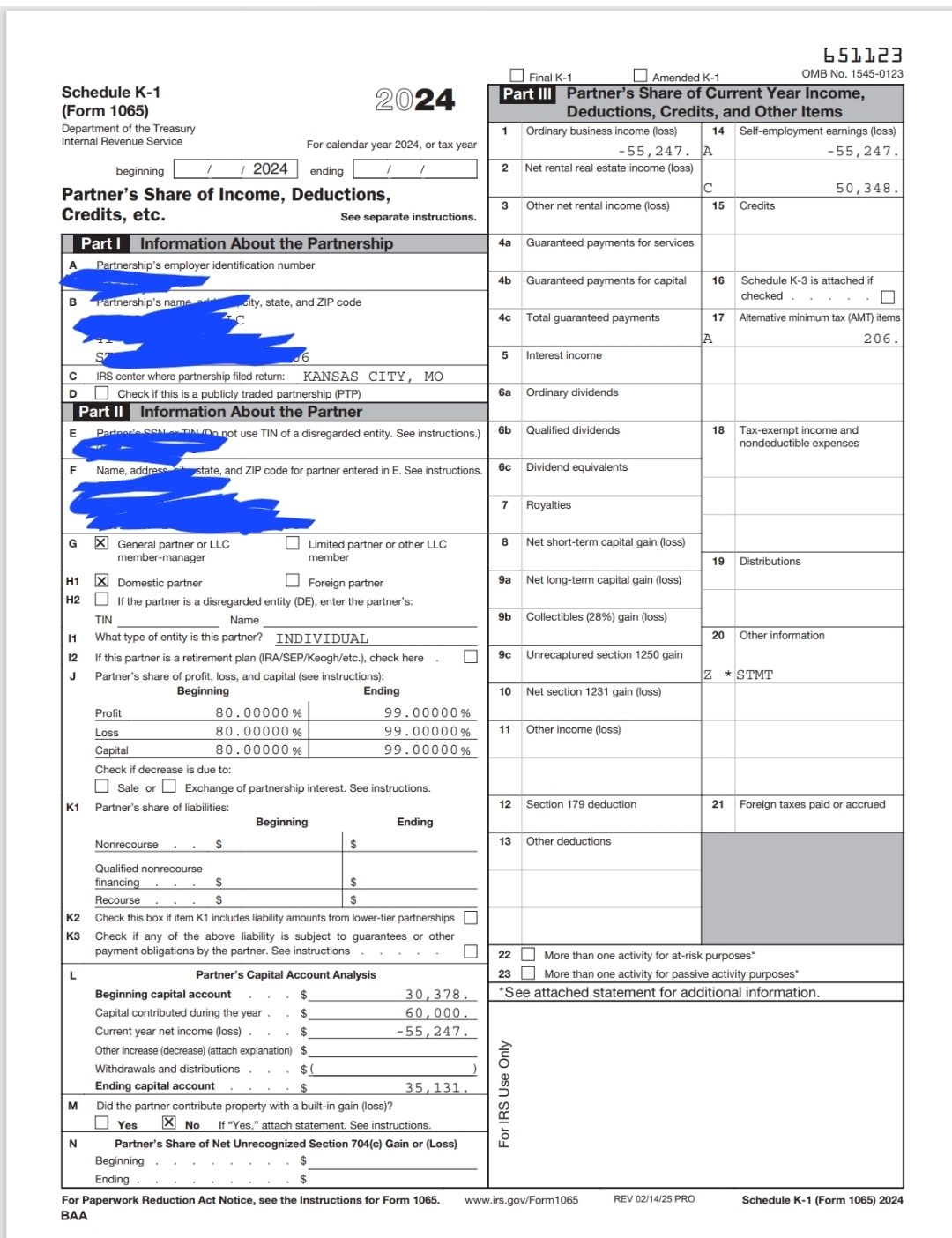
Solved K 1 Box 20 Z
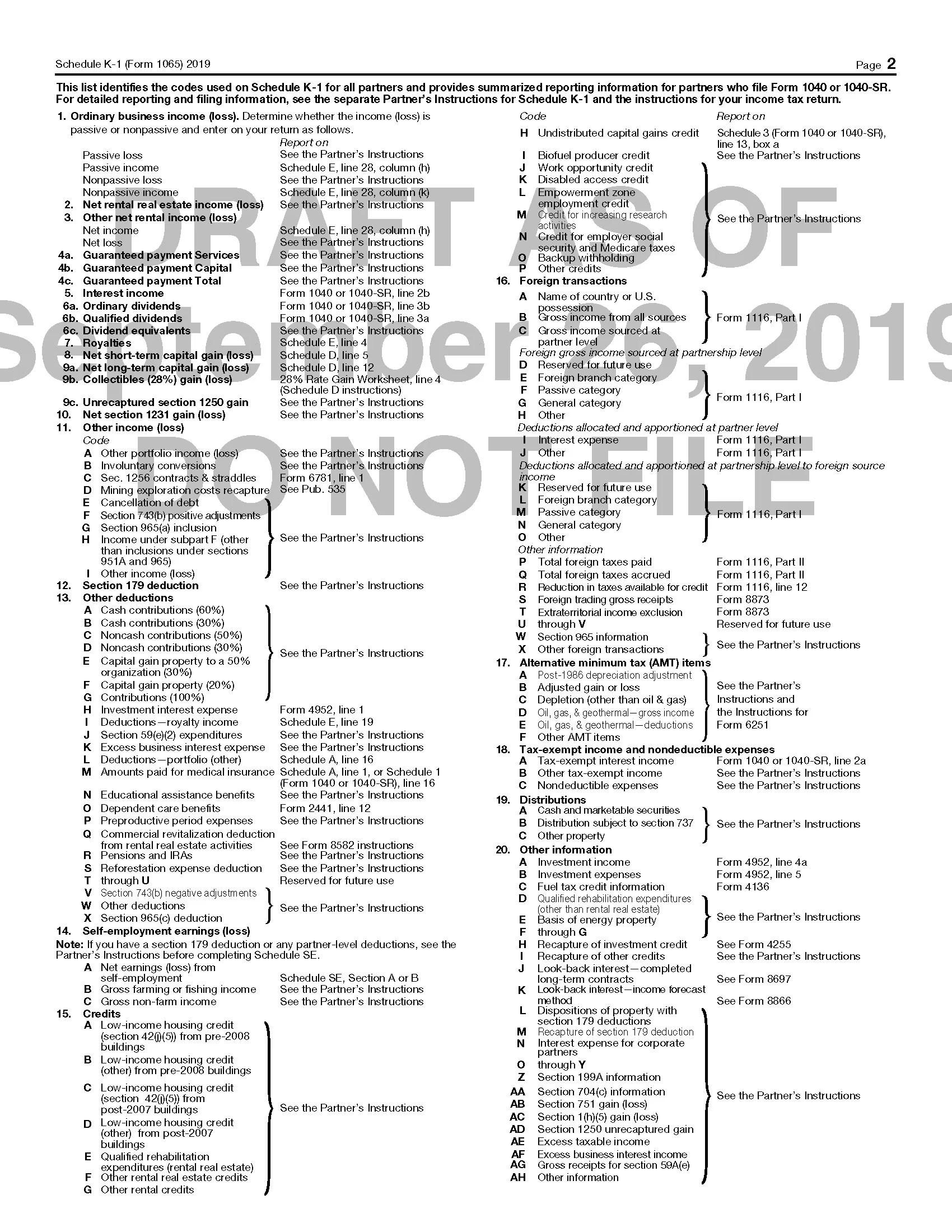
Drafts Of 2019 Forms 1065 And 1120S As Well As K 1s Issued By
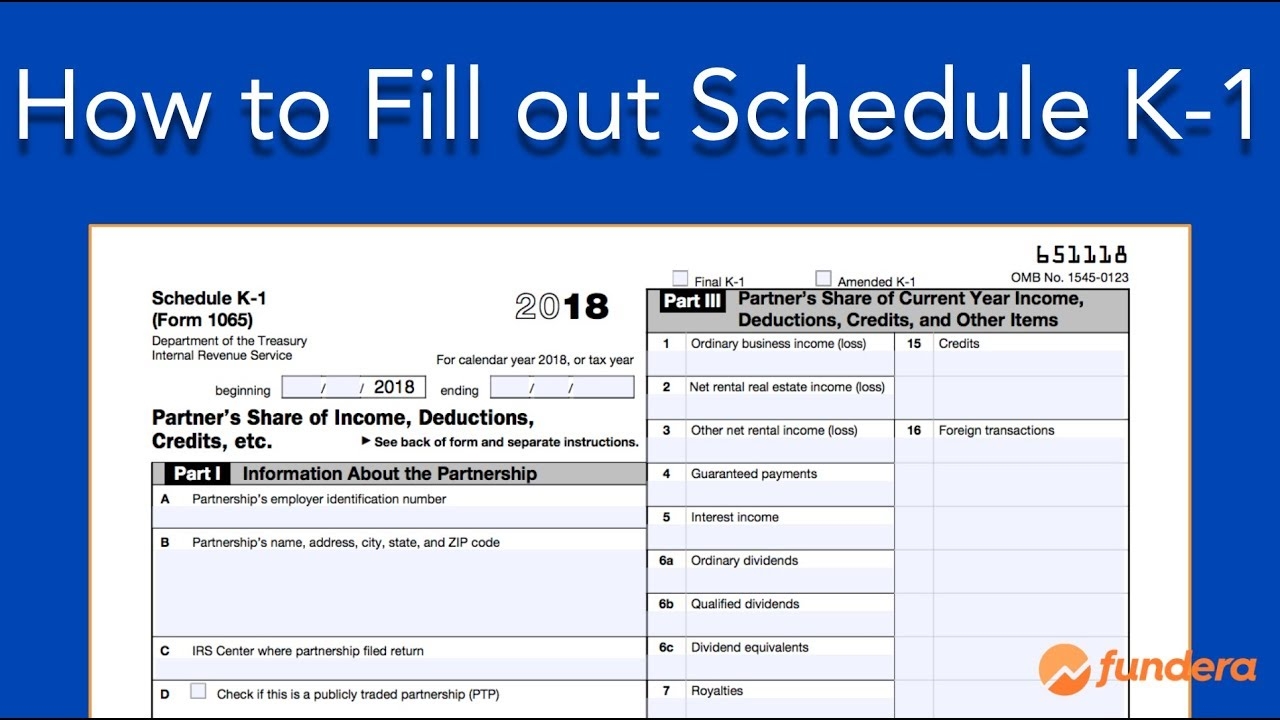
How To Fill Out Schedule K 1 IRS Form 1065