Are you feeling confused about receiving an IRS form letter in the mail? Don’t worry, you’re not alone. Many people find these letters intimidating, but they don’t have to be. Let’s break it down for you in simple terms.
When you receive an IRS form letter, it’s important to read it carefully and understand what it’s asking for. These letters are typically sent to inform you of a tax issue or request additional information to process your return. Don’t panic, take a deep breath, and tackle it one step at a time.
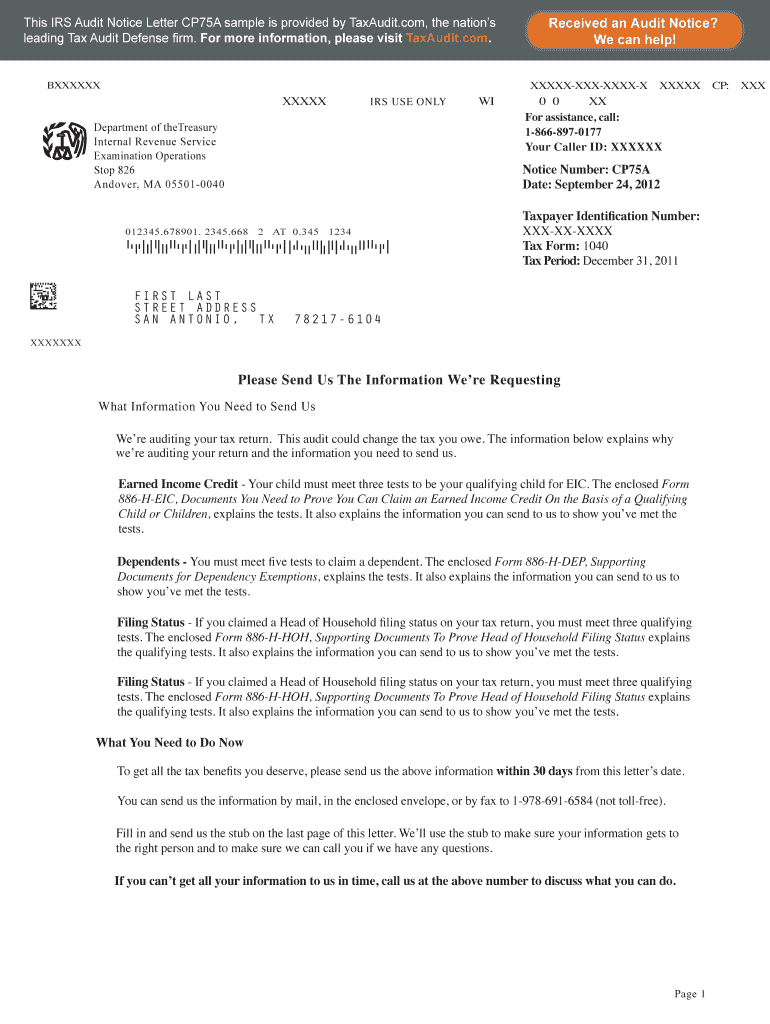
Irs Form Letter
Understanding an IRS Form Letter
First, don’t ignore the letter. Ignoring it will only lead to more serious consequences down the road. Take the time to read through the letter thoroughly and identify the specific issue or request outlined. If you’re unsure about anything, don’t hesitate to seek help from a tax professional.
Next, gather any documents or information requested in the letter. Be sure to provide accurate and complete information to avoid any delays in processing your return or resolving the issue at hand. Remember, the IRS is there to help you comply with tax laws, not to make your life difficult.
Once you’ve gathered all the necessary information, respond promptly to the IRS. Follow the instructions provided in the letter on how to respond, whether it’s by mail, phone, or online. It’s crucial to meet any deadlines specified in the letter to avoid penalties or further actions by the IRS.
In conclusion, receiving an IRS form letter can be nerve-wracking, but it doesn’t have to be overwhelming. Take a deep breath, read the letter carefully, gather the requested information, and respond promptly. Remember, the key is to address the issue head-on and seek help if needed. You’ve got this!
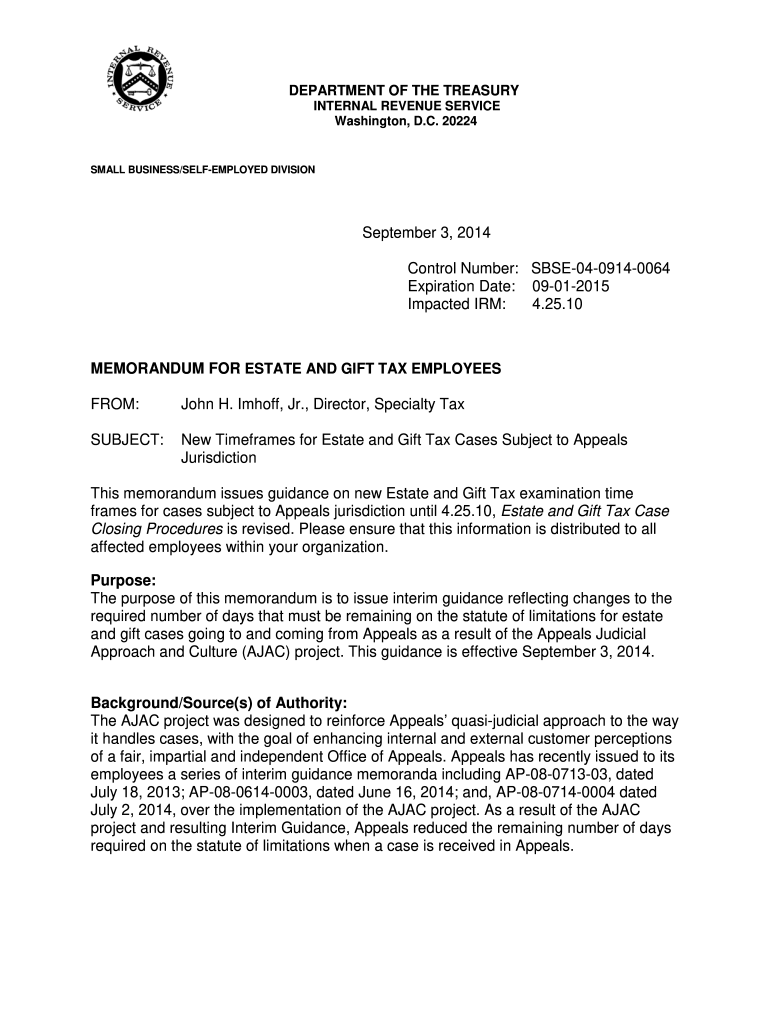
Irs Letterhead Fill Online Printable Fillable Blank PdfFiller
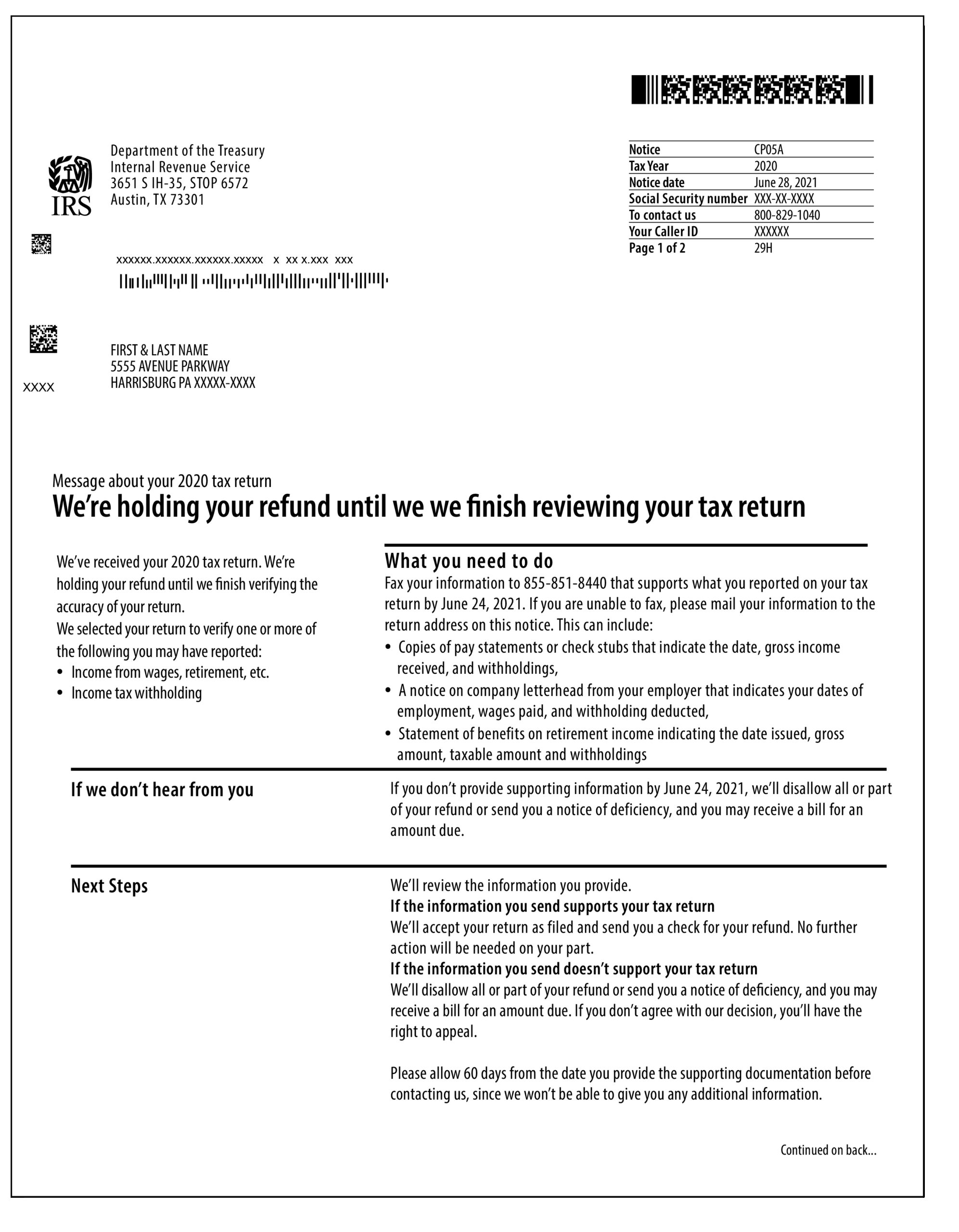
IRS Audit Letter CP05A Sample 1
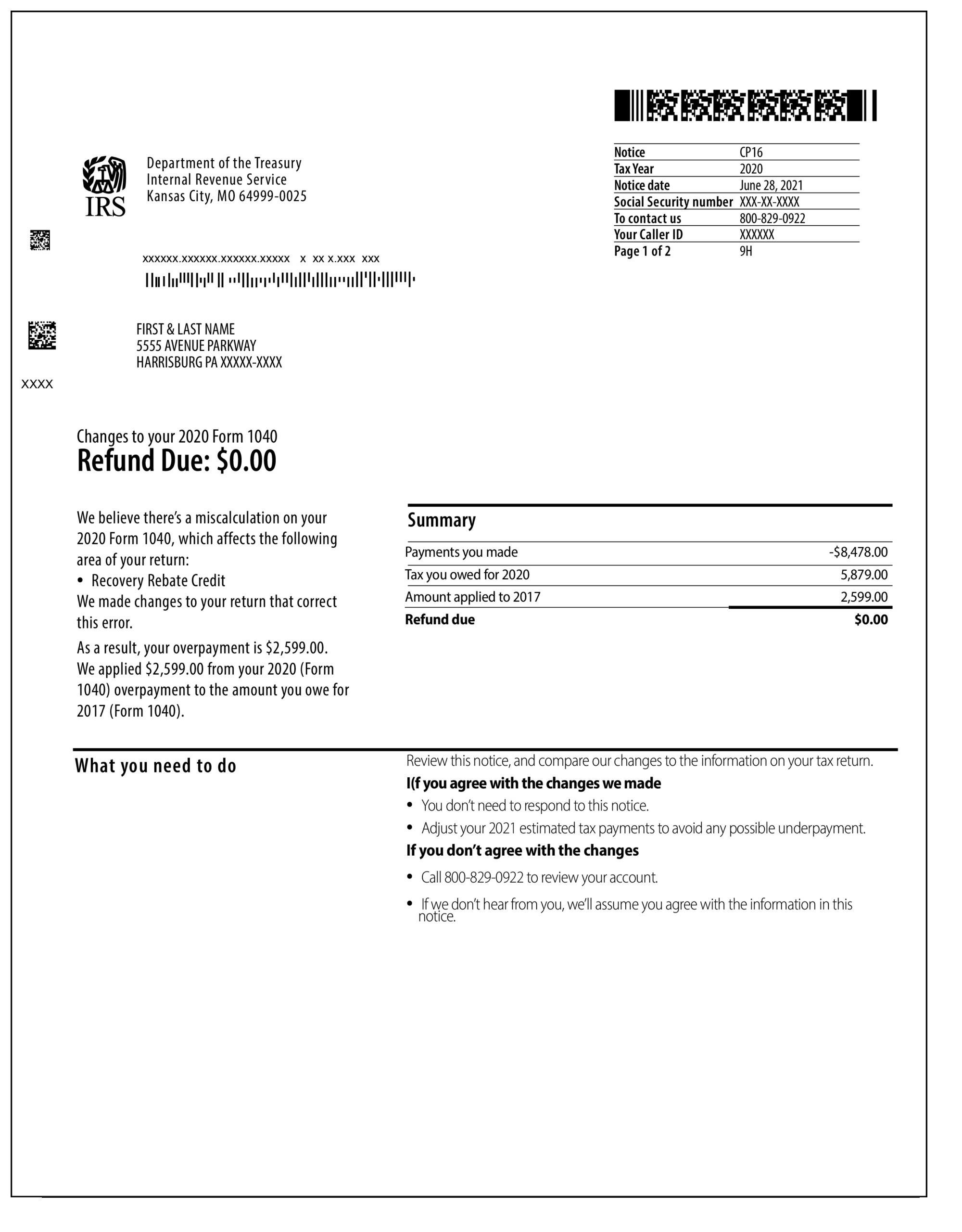
IRS CP16 Letter What To Know About The IRS CP16 Notice
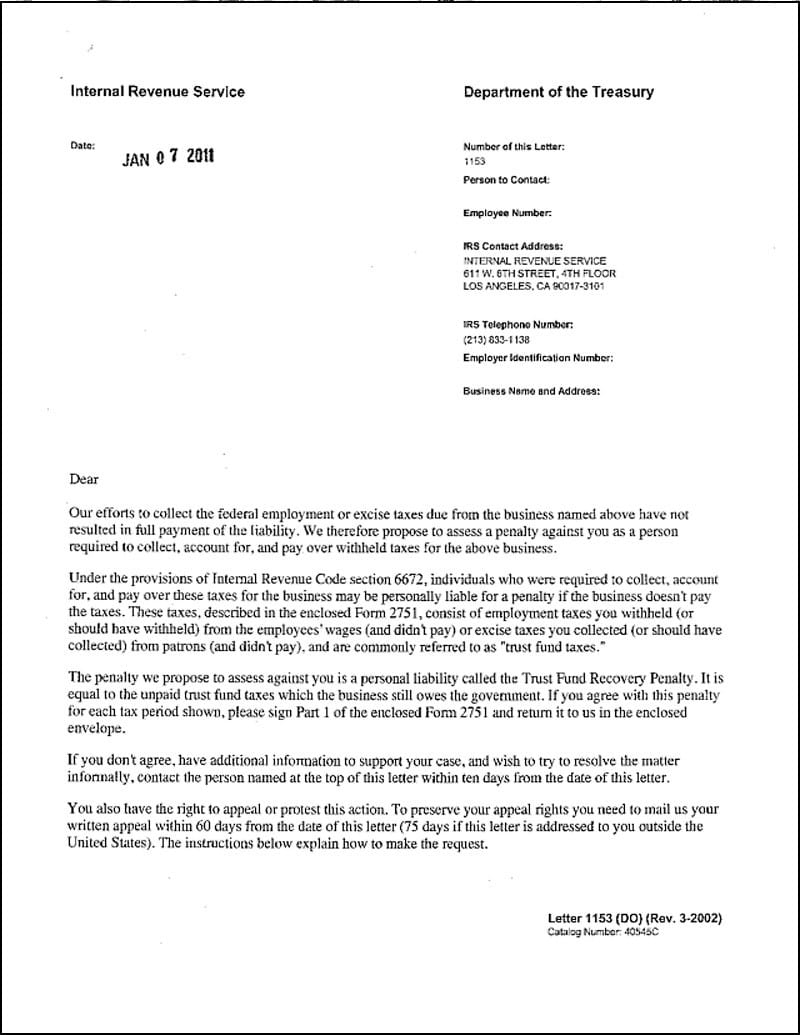
IRS Letter 1153 What It Means amp How To Respond Paladini Law
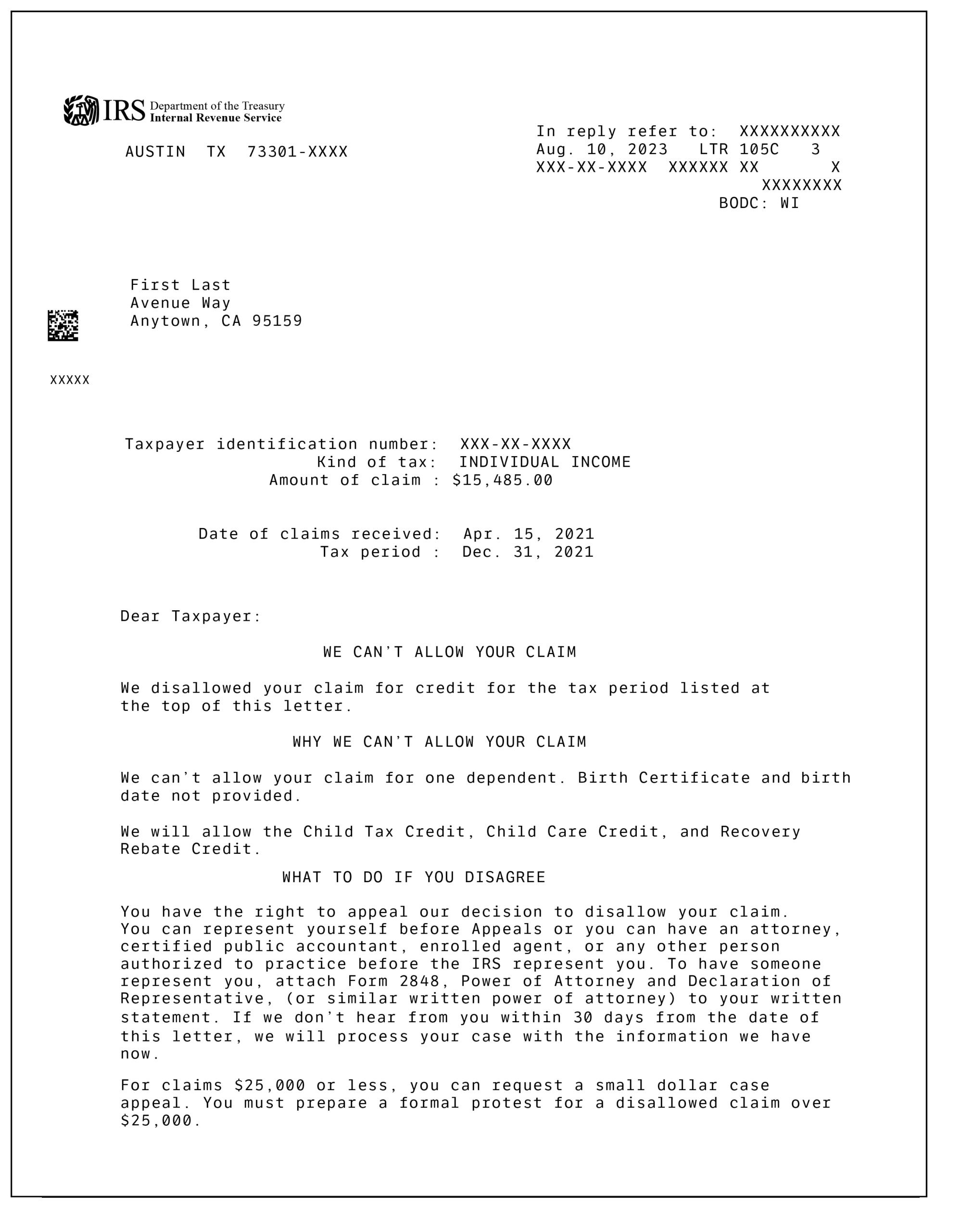
IRS Letter 105C What It Is And How To Appeal