Are you wondering how to report your IRA rollovers on Form 1040? It’s a common question that many taxpayers have, but the process is actually quite simple once you know the steps to follow.
When it comes to reporting IRA rollovers on Form 1040, the key is to make sure you accurately report the information from your financial institutions. This will help ensure that you avoid any potential errors or audits down the line.
Reporting Ira Rollovers On Form 1040
Reporting IRA Rollovers On Form 1040
First, you’ll need to gather all the necessary information regarding your IRA rollovers, including the amount rolled over and the date of the rollover. This information can typically be found on the Form 1099-R that you receive from your financial institution.
Next, you’ll need to transfer this information onto Form 1040. You’ll report the rollover amount on line 4a of the form, and you’ll also need to report any taxable amount on line 4b. Make sure to double-check your entries to ensure accuracy.
If you’ve completed multiple rollovers throughout the year, you’ll need to report each one separately on Form 1040. This means repeating the process for each rollover, ensuring that you accurately report all necessary information for each transaction.
By following these steps and accurately reporting your IRA rollovers on Form 1040, you can ensure that you remain in compliance with IRS regulations and avoid any potential issues come tax time. Remember, it’s always best to consult with a tax professional if you have any questions or concerns about reporting your IRA rollovers.
Reporting IRA rollovers on Form 1040 may seem daunting at first, but with the right information and guidance, you can navigate the process with ease. By taking the time to accurately report your rollovers, you can rest easy knowing that you’ve done your part to stay in good standing with the IRS.
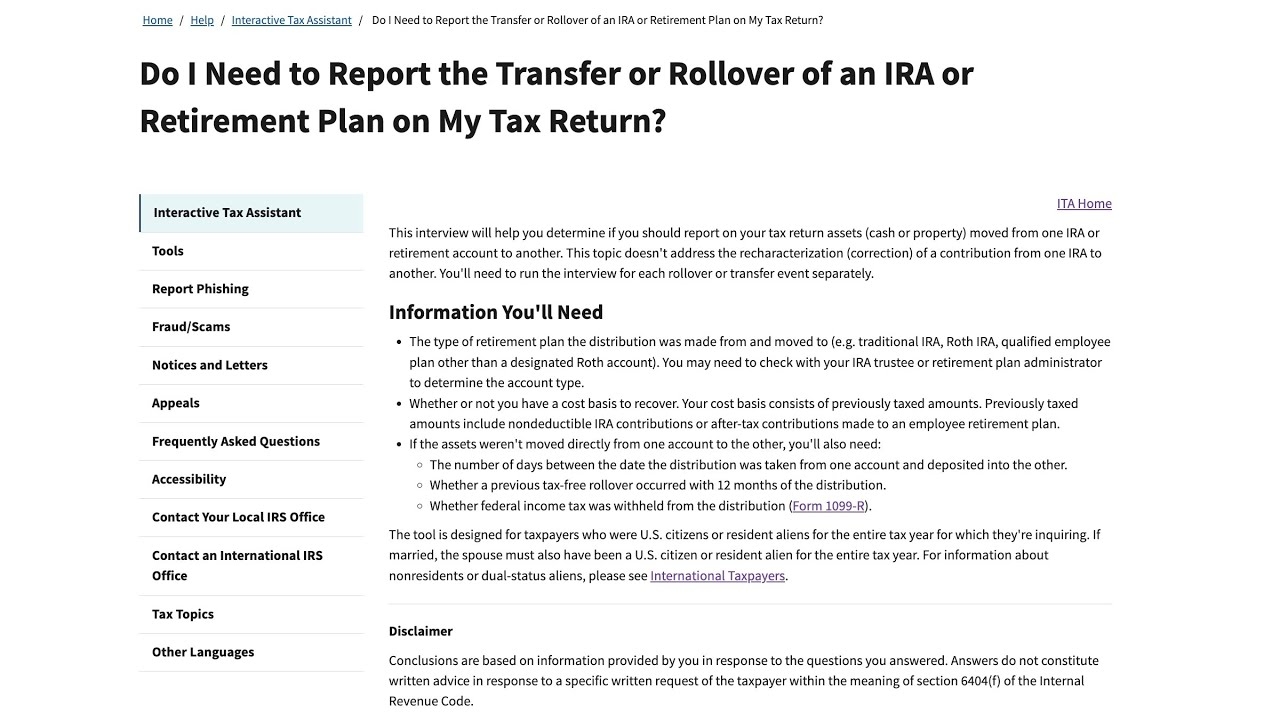
Do I Need To Report My IRA Or Retirement Plan Rollover On My Tax Return
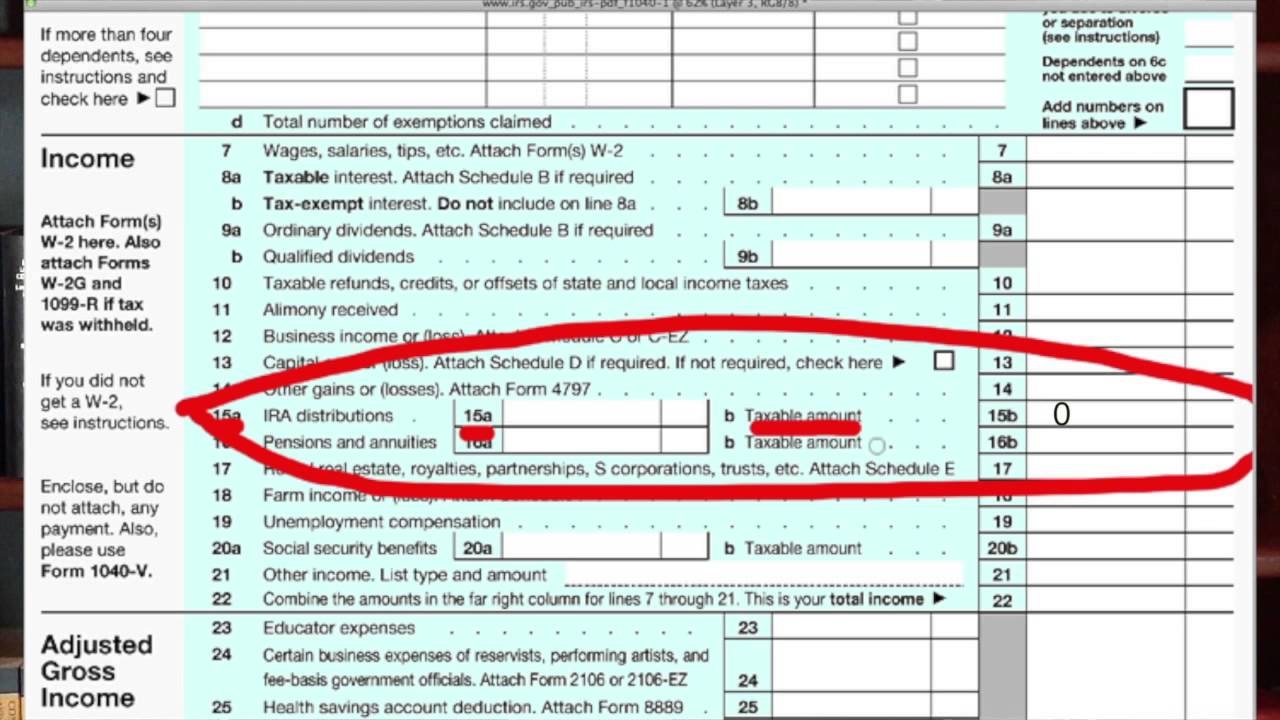
How To Report A 1099 R Rollover To Your Self Directed 401k YouTube
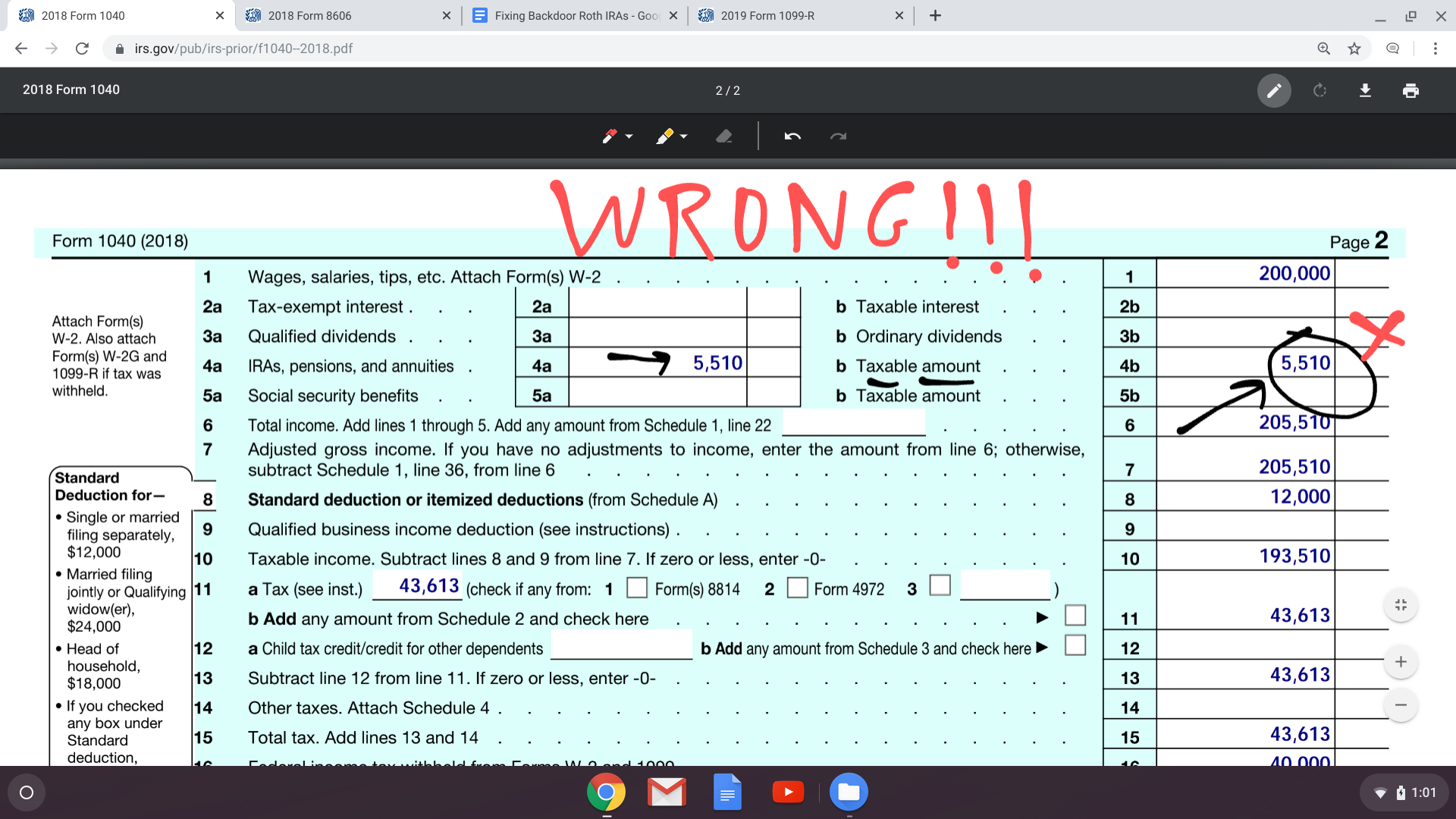
Fixing Backdoor Roth IRAs The FI Tax Guy
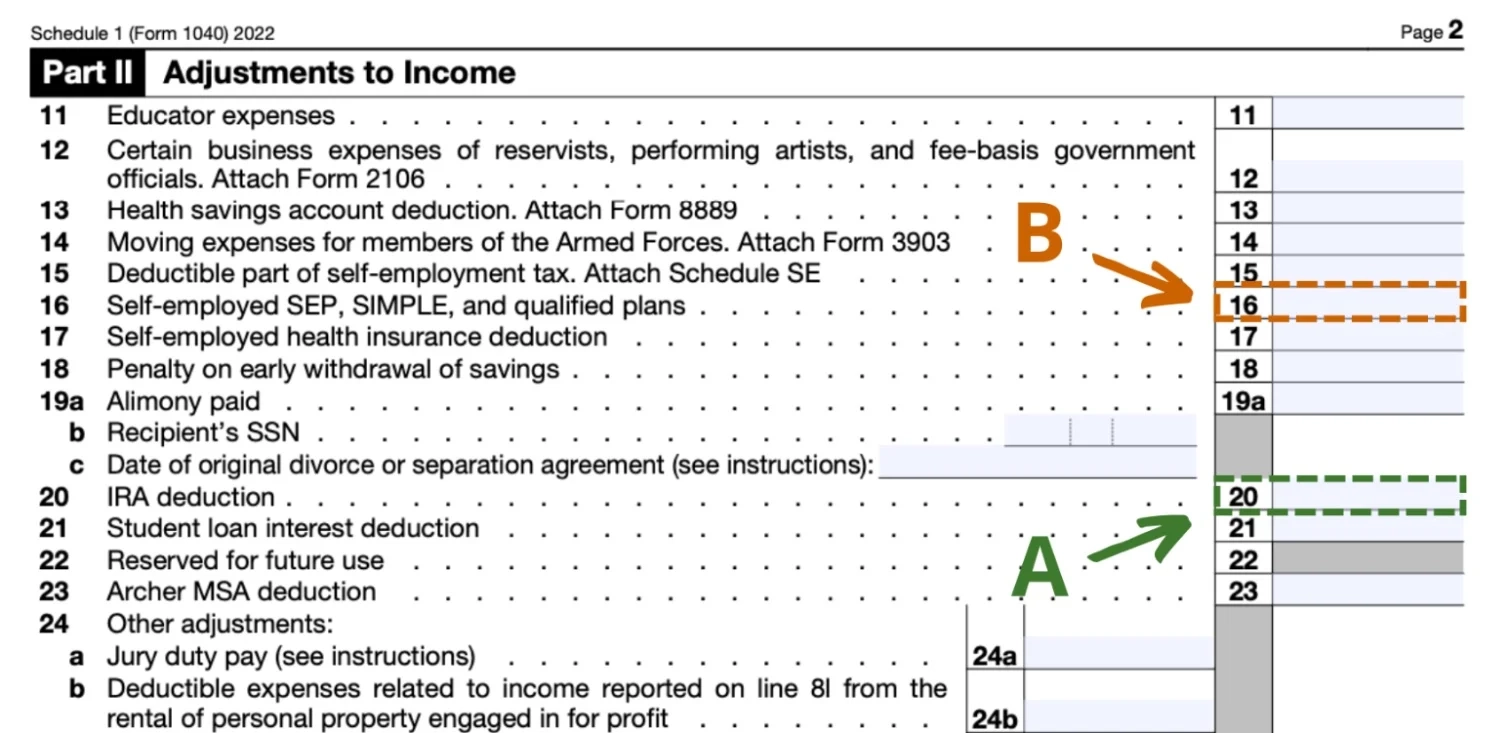
5 IRA Tax Forms Every SDIRA Holder Should Know
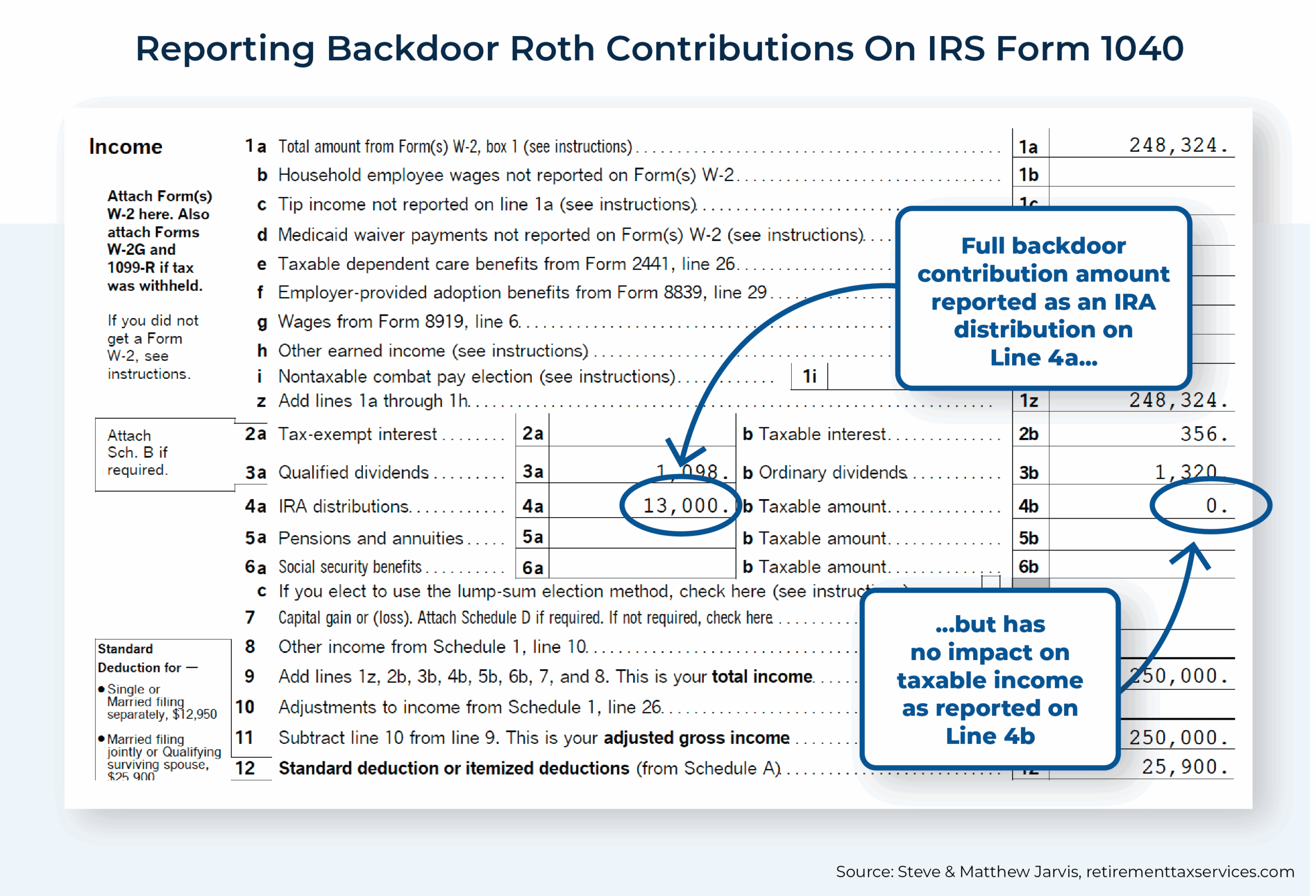
Effective Backdoor Roth Strategy Rules IRS Form 8606